
In the aftermath of the Indian Wars, the U.S. Army sought to establish stable posts to protect settlers and impose order on the southern Great Plains. On January 8, 1869, Philip H. Sheridan staked out a site near Medicine Bluff and founded what would become Fort Sill, initially called “Camp Wichita.”
Shortly after, the post was renamed to honor his West Point classmate Joshua W. Sill, a Union officer who fell in the Civil War.
The early mission was clear: the fort’s cavalry (including units like the famed “Buffalo Soldiers” of the 10th U.S. Cavalry) was tasked with guarding settlements and deterring raids by Native tribes, primarily the Comanche, Kiowa, and others who still roamed the Southern Plains.
However, within a few decades, the frontier changed. As raids decreased and the American West shifted, Fort Sill’s mission transformed from cavalry outpost to the heart of American field artillery training.
The Birthplace of U.S. Field Artillery
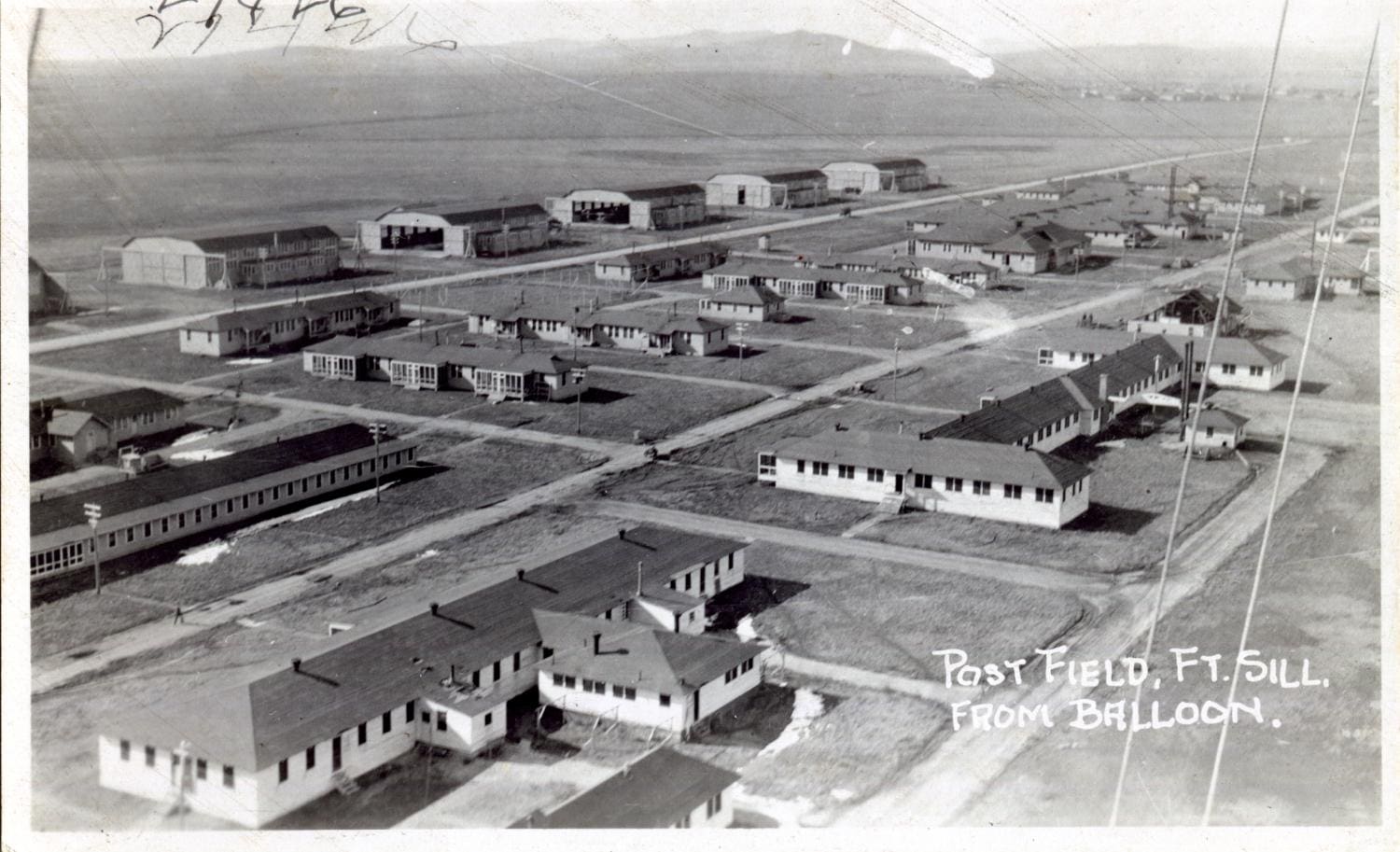
- In 1902, the first artillery battery arrived at Fort Sill; by 1907, the last cavalry regiment departed.
- The following years saw the founding of the “School of Fire for the Field Artillery” (1911), which evolved into the modern U.S. Army Field Artillery School, making Fort Sill the primary U.S. training ground for field artillery.
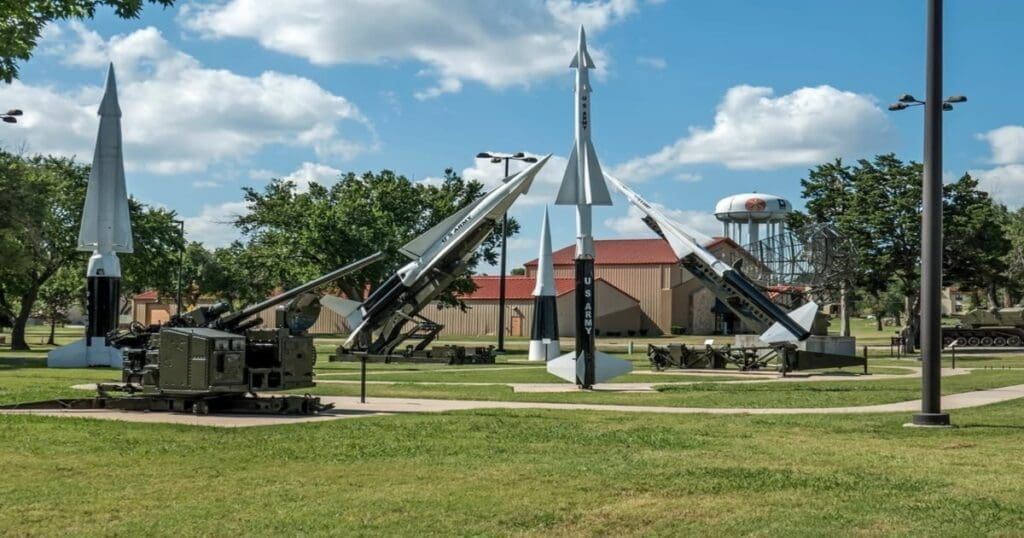
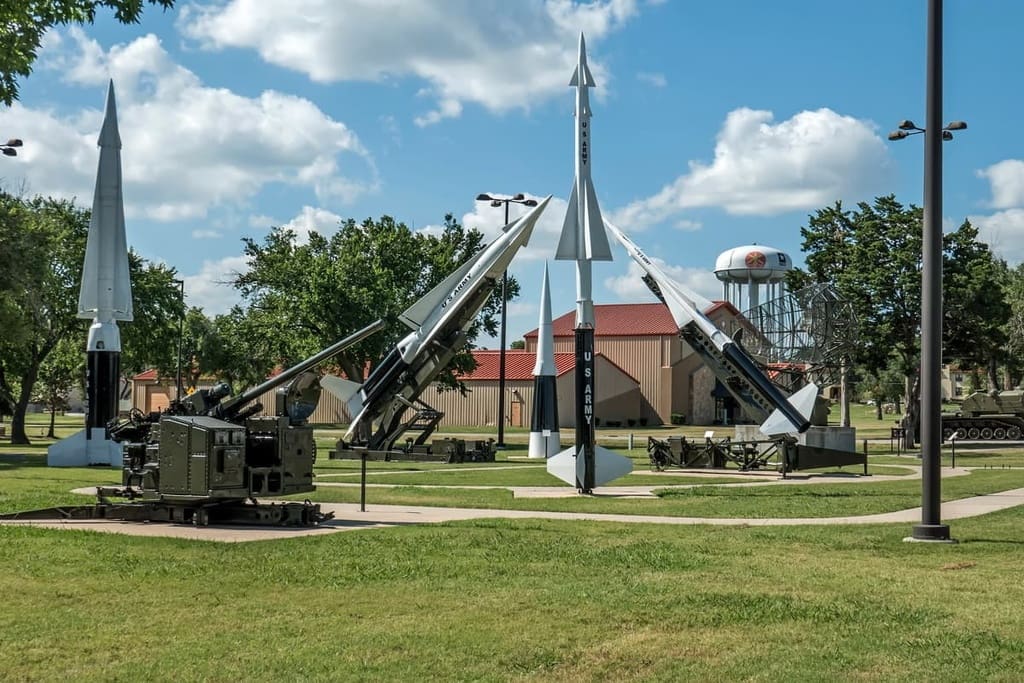
- Over time, Fort Sill expanded further: during WWII and beyond, it hosted additional training units, and evolved with changing military needs (artillery, air defense, missile training, etc.).
Today, Fort Sill not only remains an active military installation but also a living museum where 150+ years of U.S. military history unfold.
Key Chapters & People: Frontier, Native Americans, and Artillery
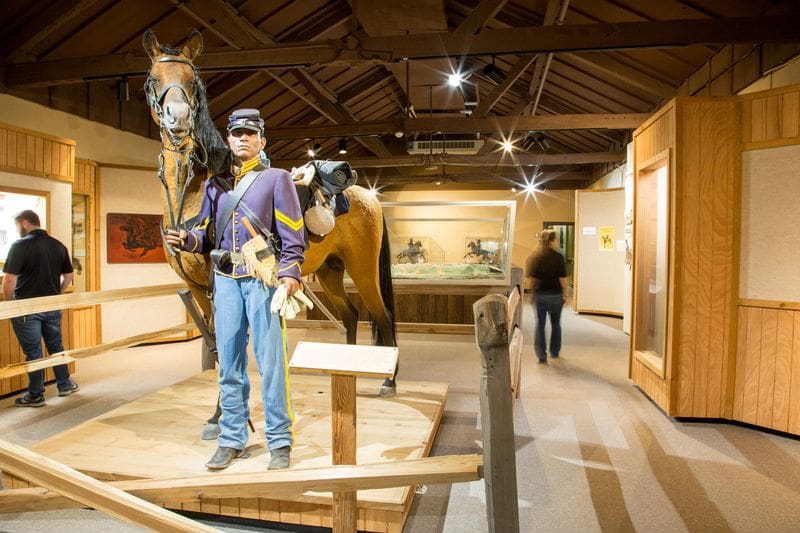
- The original garrison included not only white cavalry units but also the 10th Cavalry African American “Buffalo Soldiers” who helped build many of the enduring stone buildings still standing in the historic post area.
- Fort Sill played a central role during the final years of conflicts between the U.S. Army and Plains tribes. After the surrender of leaders like Geronimo in the 1880s, Apache prisoners (and others) were held at Fort Sill.
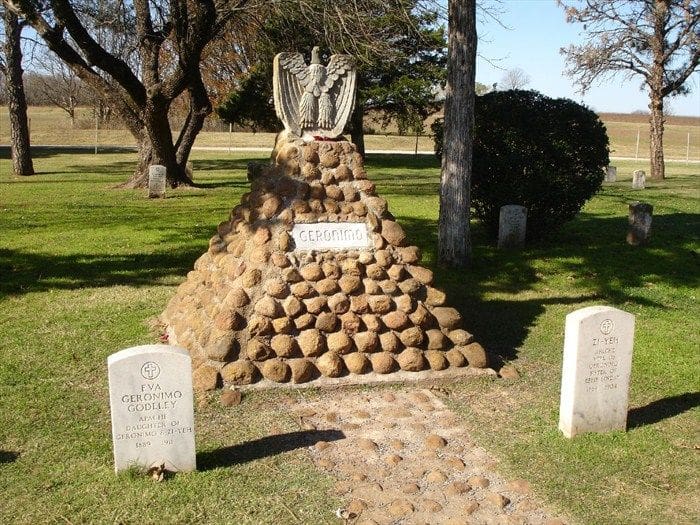
- Geronimo spent his final years at Fort Sill, and his grave, marked by an eagle‑topped stone pyramid, lies within the Fort grounds in the Apache Prisoner‑of‑War Cemetery.
- As the 20th century progressed, Fort Sill adapted to changing warfare: cavalry gave way to field artillery; by WWI and WWII, the fort trained thousands of artillerymen. Later, it also contributed to air-defense and missile-era training.
What You Can See Today: Museums & Historic Landmarks
For anyone visiting, whether history buff or curious traveler, Fort Sill offers a rich, layered experience:
- The Fort Sill National Historic Landmark and Museum covers the original post area, with 38 historic buildings, and exhibits spanning frontier days, cavalry life, Native American relations, and more.
- The U.S. Army Artillery Museum (and related artillery collections) showcase field‑artillery history: from early cannons to modern systems, tracing over a century of evolution in weaponry and training.
- Historic structures like the Old Post Quadrangle with original barracks, chapel, officer quarters give a sense of 19th‑century military life.
- Visitors can also find the grave of Geronimo (and other Apache POWs) in the Apache Cemetery, a solemn reminder of the fort’s complex history with Native peoples.
Access is controlled, but the site is open to the public. Visitors must obtain a pass at the gate (Visitor Control Center) and go through security. After that, they can explore the historic district and museums.
Why Fort Sill Matters: Then & Now
- Historical turning point: Fort Sill marks the end of the “wild frontier” era in that region of the Plains, from cavalry and Native‑American conflicts to reservation enforcement and westward settlement.
- Birthplace of U.S. artillery traditions: The modern U.S. Army’s field artillery roots trace directly to training and doctrine developed at Fort Sill.
- Continuity across centuries: Unlike many frontier forts that have become ruins, Fort Sill remains active, blending a working military base with public‑facing museums and preserved history.
- Complex legacy: The history of Fort Sill reflects broader American stories: westward expansion, conflict, cultural displacement, military evolution, and reconciliation.
Useful Resources/Links
Here are some authoritative sources where you can explore more about Fort Sill’s history and visitor information: